
目录
1. LinkedList的模拟实现
1.1 双向链表结构图编辑
1.2 三个简单方法的实现
1.3 头插法
1.4 尾插法
1.5 中间插入
1.6 删除 key
1.7 删除所有key
1.8 clear
2.LinkedList的使用
2.1 什么是LinkedList
5.2 LinkedList的使用
1.LinkedList的构造
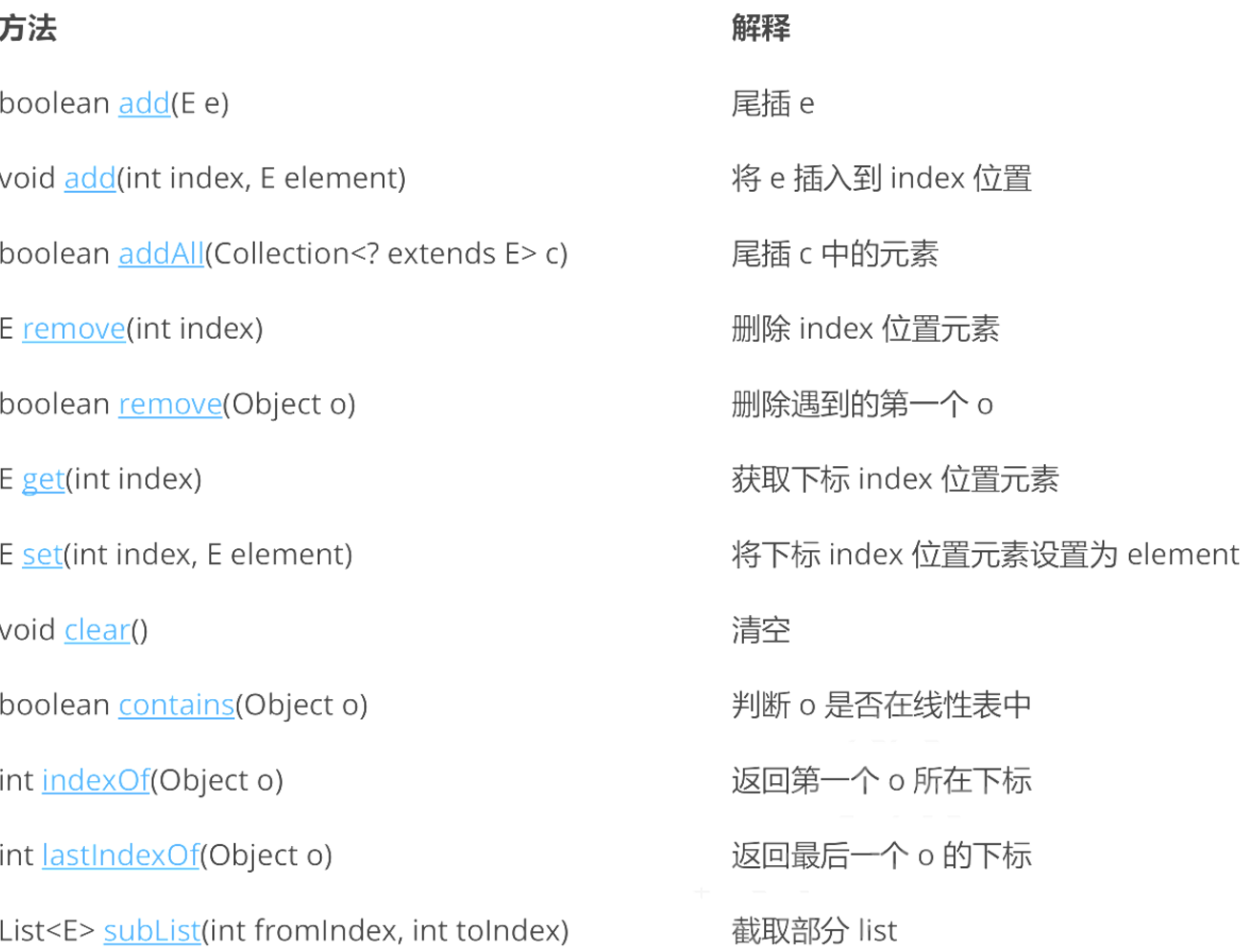
2. LinkedList的其他常用方法介绍
3.LinkedList的遍历33.
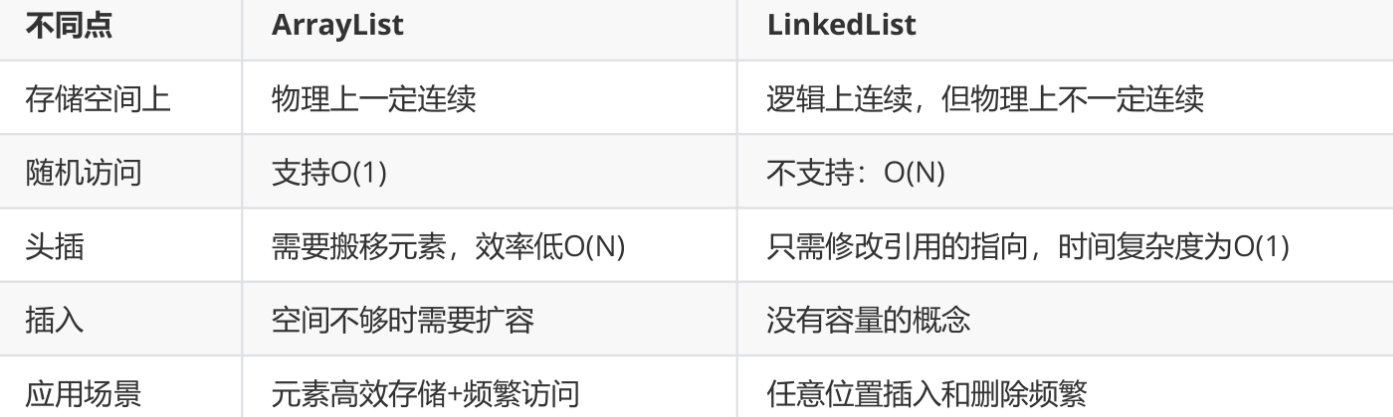
5.3 ArrayList 和 LinkedList的区别
1. LinkedList的模拟实现
1.1 双向链表结构图
1.2 三个简单方法的实现
@Overridepublic void display() {ListNode cur = head;while (cur != null) {System.out.print(cur.val + " ");cur = cur.next;}System.out.println();}@Overridepublic int size() {int len = 0;ListNode cur = head;while (cur != null) {len++;cur = cur.next;}return len;}@Overridepublic boolean contains(int key) {ListNode cur = head;while (cur != null) {if (cur.val == key) {return true;}cur = cur.next;}return false;}此处和单链表一样,不在赘述。
1.3 头插法
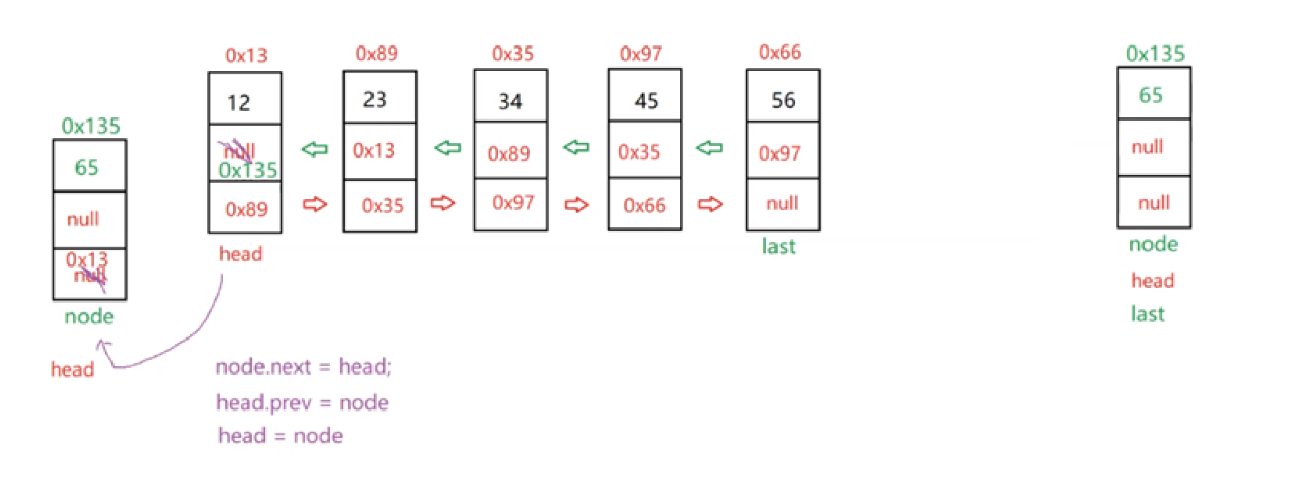
@Overridepublic void addFirst(int data) {ListNode node = new ListNode(data);if (head == null) {head = last = node;}else {node.next = head;head.prev = node;head = node;}}1.4 尾插法
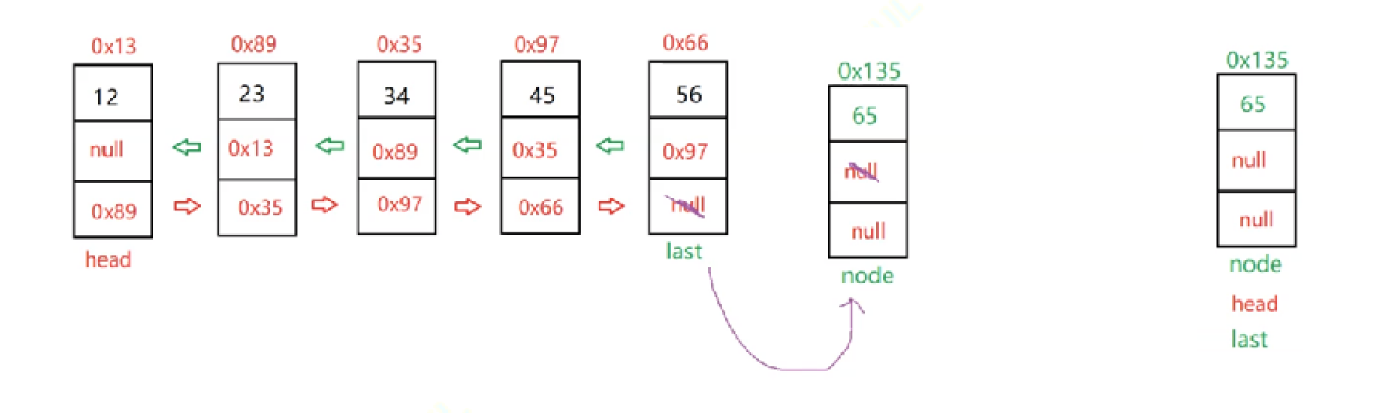
@Overridepublic void addLast(int data) {ListNode node = new ListNode(data);if (head == null) {last = head = node;}else {last.next = node;node.prev = last;last = last.next;}}1.5 中间插入
@Override
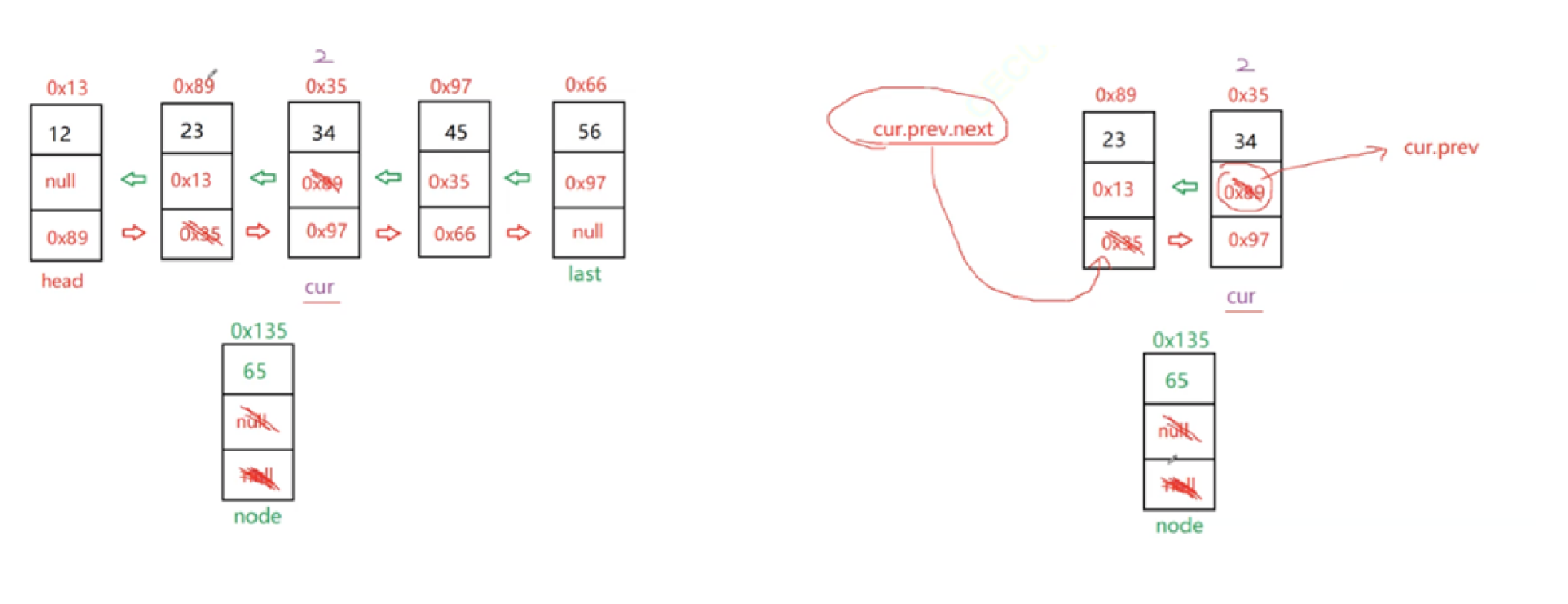
public void addIndex(int index, int data) {int len = size();if (index < 0 || index > len) {return;}if (index == 0) {addFirst(data);return;}if (index == len) {addLast(data);return;}// 中间插入ListNode node = new ListNode(data);ListNode cur = findIndex(index);node.next = cur;cur.prev.next = node;node.prev = cur.prev;cur.prev = node;
}
private ListNode findIndex(int index) {ListNode cur = head;while (index != 0) {cur = cur.next;index--;}return cur;
}
此处直接找到 index 位置即可,不需要找 index - 1,因为有 prev
1.6 删除 key
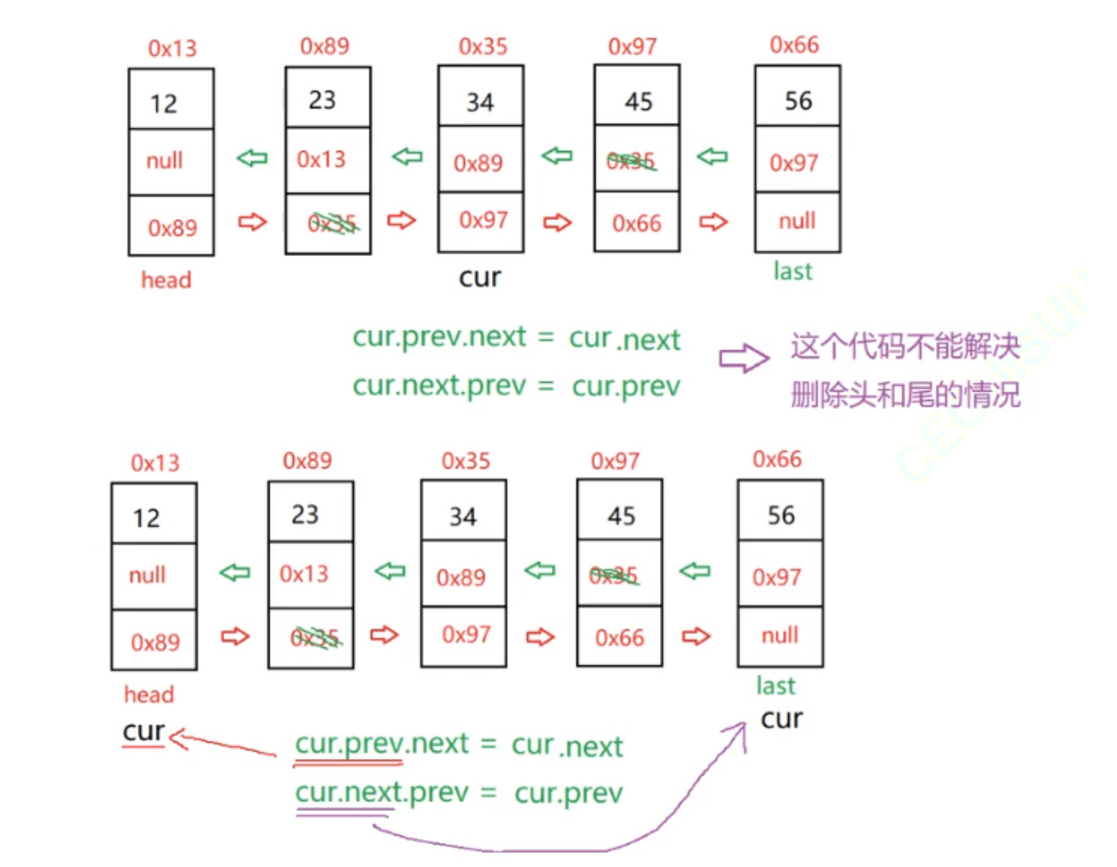
@Overridepublic void remove(int key) {ListNode cur = head;while (cur != null) {if (cur.val == key) {// 开始删除if (cur == head) {head = head.next;if (head != null) {head.prev = null;}} else {cur.prev.next = cur.next;if (cur.next == null) {last = last.prev;}else {cur.next.prev = cur.prev;}}return;}cur = cur.next;}}注意:
1.此处最关键的代码:
cur.prev.next = cur.next;
cur.next.prev = cur.prev;
2.但是很显然解决不了头节点和尾节点,需要条件语句单独处理
3.特殊情况:
只有一个节点的链表,且为key值
需要加上判断逻辑:
if (head != null) {
head.prev = null;
}
1.7 删除所有key
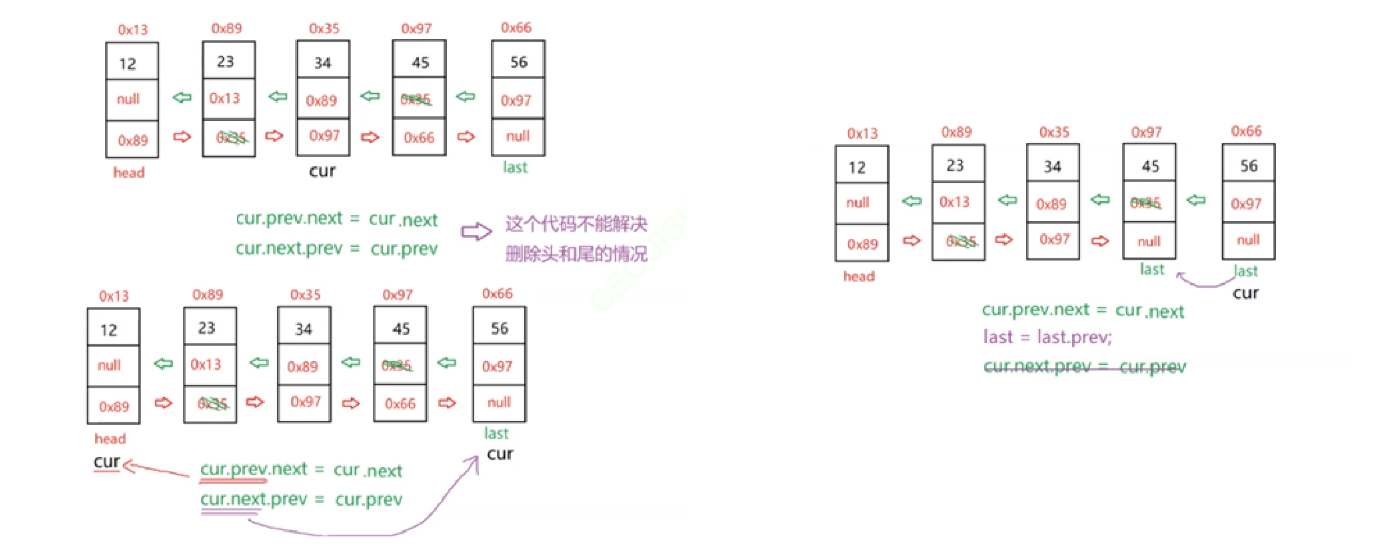
@Overridepublic void removeAllKey(int key) {ListNode cur = head;while (cur != null) {if (cur.val == key) {// 开始删除if (cur == head) {head = head.next;if (head != null) {head.prev = null;}} else {cur.prev.next = cur.next;if (cur.next == null) {last = last.prev;}else {cur.next.prev = cur.prev;}}}cur = cur.next;}}注意:
很显然将 删除key代码中的 return;删除即可
1.8 clear
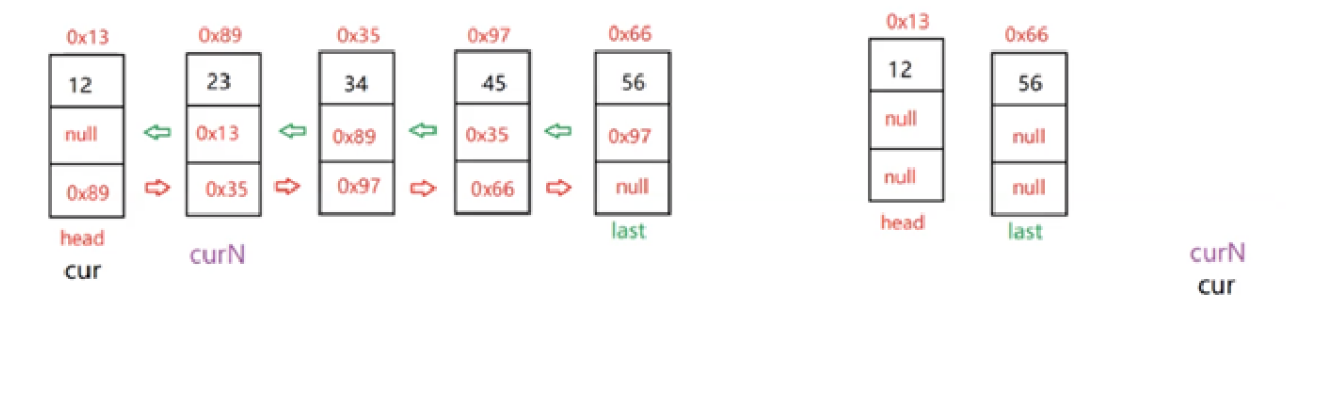
@Overridepublic void clear() {ListNode cur = head;while (cur != null) {ListNode curNext = cur.next;cur.prev = null;cur.next = null;cur = curNext;}head = null;last = null;}2.LinkedList的使用
2.1 什么是LinkedList
LinkedList 的官方文档
LinkedList的底层是双向链表结构,由于链表没有将元素存储在连续的空间中,元素存储在单独的节点中,然后通过引用将节点连接起来了,因此在在任意位置插入或者删除元素时,不需要搬移元素,效率比较高。
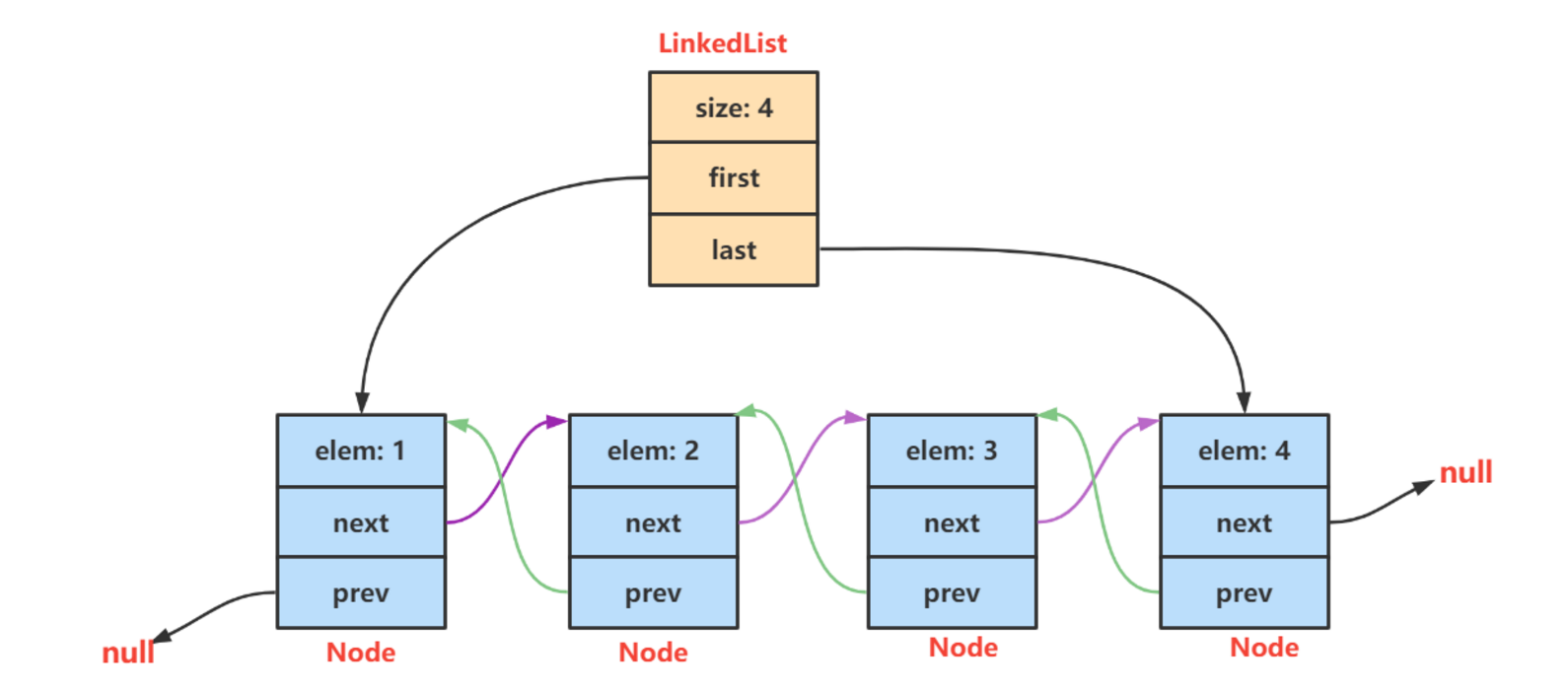
在集合框架中,LinkedList也实现了List接口,具体如下:
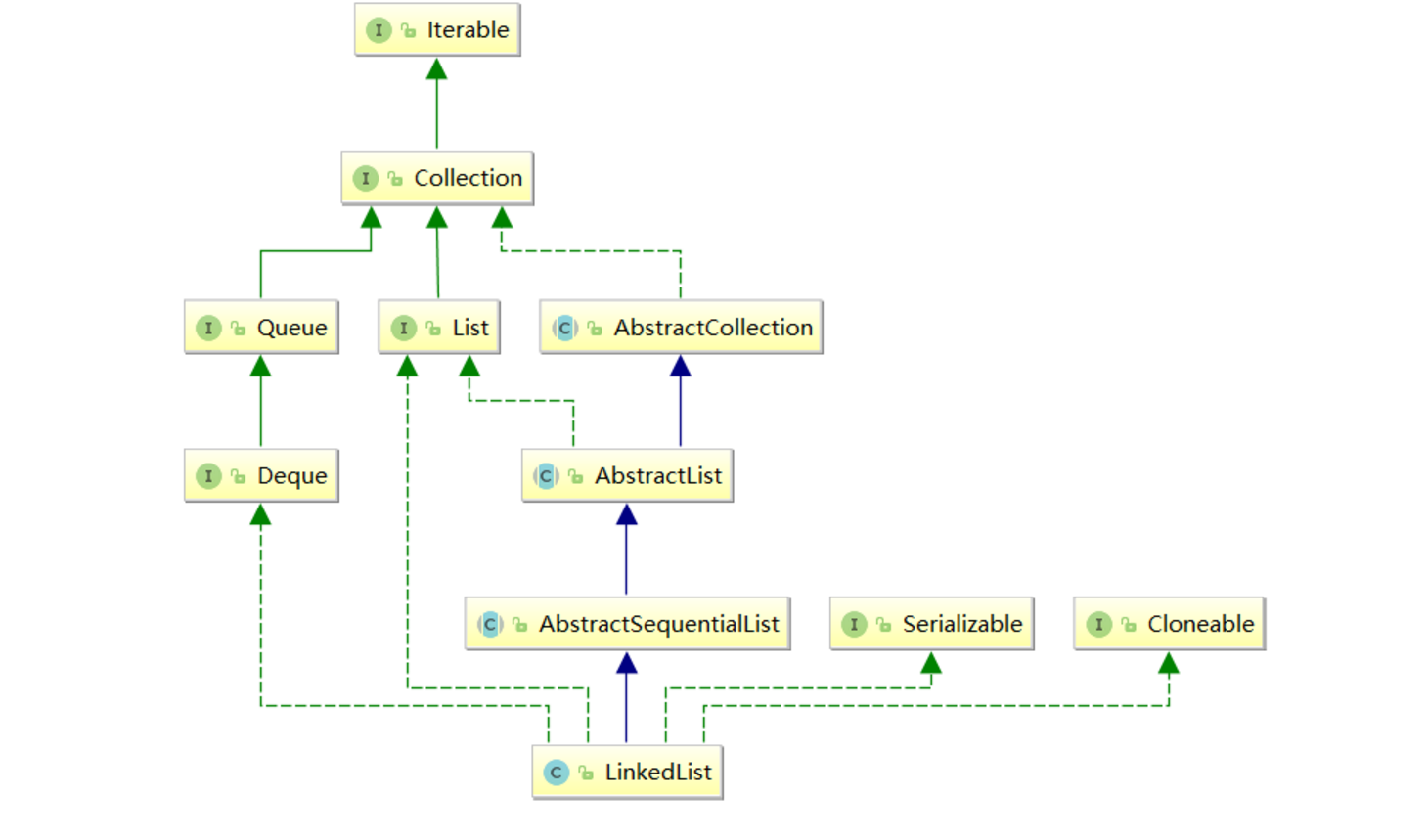
【说明】
LinkedList实现了List接口
LinkedList的底层使用了双向链表
LinkedList没有实现RandomAccess接口,因此LinkedList不支持随机访问
LinkedList的任意位置插入和删除元素时效率比较高,时间复杂度为O(1)
LinkedList比较适合任意位置插入的场景
5.2 LinkedList的使用
1.LinkedList的构造

2. LinkedList的其他常用方法介绍
3.LinkedList的遍历33.
public static void main(String[] args) {LinkedList<Integer> linkedList2 = new LinkedList<>();linkedList2.add(1);linkedList2.addLast(3);linkedList2.addLast(4);linkedList2.addLast(5);System.out.println(linkedList2);System.out.println("=========ListIterator=========");ListIterator<Integer> listIterator = linkedList2.listIterator(linkedList2.size());while (listIterator.hasPrevious()) {System.out.print(listIterator.previous() + " ");}System.out.println();System.out.println("=========ListIterator=========");ListIterator<Integer> listIterator1 = linkedList2.listIterator();while (listIterator1.hasNext()) {System.out.print(listIterator1.next() + " ");}System.out.println();System.out.println("=========Iterator=========");Iterator<Integer> iterator = linkedList2.iterator();while (iterator.hasNext()) {System.out.print(iterator.next() + " ");}System.out.println();System.out.println("=========for each=========");for (Integer x : linkedList2) {System.out.print(x + " ");}System.out.println();System.out.println("=========for=========");for (int i = 0; i < linkedList2.size(); i++) {System.out.print(linkedList2.get(i) + " ");}System.out.println();}5.3 ArrayList 和 LinkedList的区别


)


